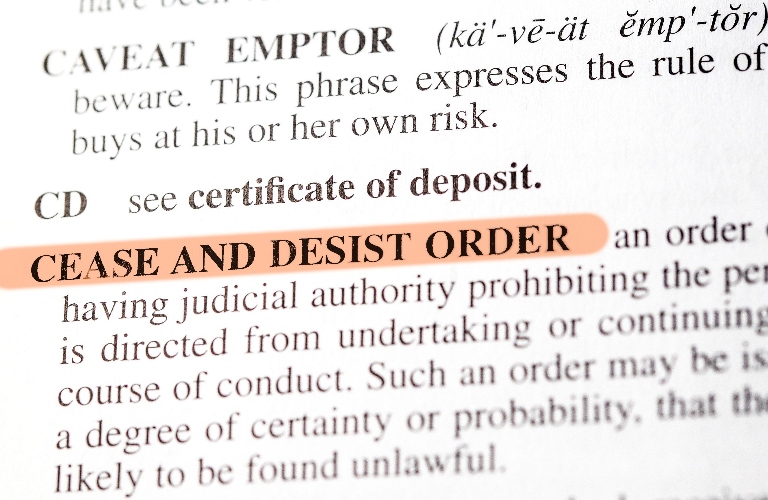
It often begins with an email. It may be formal, short, and worrying. The message might say that you used someone else’s copyrighted material without permission and warn you about possible legal action. It could be a cease-and-desist letter, a notice that your content has been taken down, or a claim that your marketing materials violated someone’s rights.
Suddenly, what felt like a normal day can turn overwhelmingly stressful and confusing. You may find yourself trying to understand terms like fair use, possible monetary damages, or whether you need to take legal action to protect your own work.
A Washington, D.C. copyright management attorney can help you make sense of the situation and explain your options. This blog is here to walk you through what to expect, whether you are trying to prevent a problem or already dealing with one.
Who Needs Copyright Management?
You may not think about it, but if you run a business, post online, or share your ideas with others, you deal with copyright issues all the time. The ads you create, the photos and videos you post, and the content you share can all raise questions about who owns the material and whether or not you have permission to use it.
If you are not sure where the legal line is, this blog can help. It will be the most useful to:
- A small business owner who uses stock photos, videos, or other third-party content
- A content creator who shares original work on social media
- Someone who manages a website, podcast, or YouTube channel
- Anyone who wants to prevent copyright problems before they happen
- Anyone who has already received a takedown notice, warning, or cease-and-desist letter
What Can Go Wrong?
Most people do not run into copyright problems on purpose. It usually happens because they do not understand the rules. They may use an image in a blog post, add music to a video, or copy a few lines from someone else’s work. It can seem harmless at first, until it turns into a legal issue.
Potential drawbacks include:
- Lawsuits: If the copyright owner decides to sue, you could end up in court. You may have to pay money for the harm caused, set damages allowed by law, and possibly the other side’s attorney’s fees.
- Digital Millennium Copyright Act takedowns: A single takedown notice can cause your video, podcast, or product listing to be removed right away, especially on platforms that strictly enforce copyright rules.
- Platform bans: If you receive repeated copyright claims, you may get strikes or even be suspended on platforms like YouTube, Etsy, or Instagram. This can cut off an important source of income.
- Costly settlements: Even if the case does not go to trial, you may have to pay money to settle the claim. You could have used that money to make your business grow.
- Brand damage: If people think you stole someone else’s work, it can hurt your reputation and how customers see your business.
It doesn’t have to get worse. Knowing what is protected, how to use content properly, and when to get legal help can help keep your business and brand safe.
What Do Copyrights Protect?
Copyright for small businesses protects original work that is written down, recorded, or stored in some other way, like:
- Written content can be anything from blog posts and articles to books, website text, marketing copy, scripts, manuals, and software code.
- Various types of images and graphics, such as photos, drawings, logos, website graphics, labels, and packaging designs.
- Movies, online videos, shows, and webinars.
- Audio content, including songs, music, sound effects, voiceovers, jingles, and podcasts.
These are some of the most common types of copyrighted material that a small business might have to deal with. But copyright protection covers a lot more creative work than just these examples.
What Can’t Be Copyrighted?
There are some situations where a business owner cannot get copyright protection for material their company creates.
To begin with, you need to know who owns the work’s copyright. The person who makes the work usually owns it. But if an employee makes something as part of their job, the employer usually owns the copyright.
This rule does not automatically apply to independent contractors. In most cases, independent contractor work is only considered ‘work made for hire’ if it fits specific legal categories and there is a written agreement. Your contracts should clearly explain who owns the copyright to protect your business.
Not all types of work can be protected by copyright. For example, you cannot copyright the name of a business. Titles, short phrases, names, and slogans are usually protected under trademark law, which is a different legal process.
Ideas, concepts, and business methods are also not automatically protected by copyright. In addition, a speech that is not written down or recorded is generally not protected.
Why Do Growing Brands Need Copyright?
Copyright protection starts automatically as soon as you create the work, even if you do not register it. However, registering your small business copyright with the U.S. Copyright Office gives you important legal benefits.
Registering your copyright creates a public record showing that you own the work. This can discourage others from copying it. If someone does infringe, your registration can serve as proof that the work belongs to you. In most cases, you must register your copyright before you can file a lawsuit for infringement.
If you register your work before infringement begins, or within three months after first publication, you may qualify for statutory damages. Having a registered copyright also gives you more strength in settlement talks and may be required in some situations to protect your work in other countries.
Copyright Mistakes to Watch For
The first common mistake is mixing up trademark and copyright. Copyright protects creative works like writing, music, and images. A trademark protects brand elements, such as logos, business names, slogans, and other features that identify your business.
Copyright can protect the art in a logo. But trademark law usually protects the logo you use to show off your brand. The rules and how to sign up are different for each. Do not assume your brand names or logos are protected by copyright if they are not.
Another common mistake is misunderstanding fair use. People can use copyrighted material without permission in some very limited situations. This is known as fair use, and it depends on several legal factors, including whether the new use is transformative, how much of the work is used, and its effect on the market.
It’s best to be careful to stay out of trouble with copyright. Check that all the pictures, videos, music, and other content you use for your business are licensed for commercial use. Some sites have free stock photos and media that you can use without paying royalties, but you should always read and agree to the license terms first.
What Should I Do If Someone Uses My Work Without Permission?
If you think someone copied your work, the first step is to make sure it really is copyright infringement. Some uses of copyrighted material are allowed under the law. This is called fair use and is explained in Section 107 of the Copyright Act.
If you confirm that someone has violated your copyright, you have several options. One option is to contact the person or company and try to resolve the issue directly. To do this, you will likely need to show proof that you own the copyright.
If that does not work, having a Washington D.C. copyright management attorney send a cease-and-desist letter may be enough to fix the problem. If the issue is still not resolved, you may need to consider filing a lawsuit.
Copyright lawsuits must be filed in federal court. If you win, you may be able to recover set damages allowed by law, which can be up to $150,000 per willful infringement, and possibly your attorney’s fees. This can apply instead of having to prove the exact amount of money you lost.
For these reasons, registering your copyright can give you stronger protection and peace of mind. If you ever need to take legal action for copyright infringement, registration puts you in a much better position under the law.
Carson Legal Strategies
Copyright problems can be very stressful, but you don’t have to deal with them by yourself. Getting clear legal advice early on can help you protect your work and avoid costly errors.
Call Carson Legal Strategies at (301) 818-9559 or fill out our online form to set up a meeting with a copyright management lawyer in Washington, D.C. You can keep your business and your creative work safe by acting now.